If you train early, chase a toddler before coffee, or just want breakfast that carries you past 10 a.m., you’ve met the pancake problem. Traditional stacks are comforting, but they can leave you dozy and hungry again by mid-morning. The fall fix I return to, year after year, is pumpkin cottage cheese protein pancakes. They’re substantial without feeling heavy, they take on a crisp edge if you treat the batter right, and they carry enough protein to matter, not just enough to make a label look good.
The base is simple: cottage cheese for protein and moisture, pumpkin puree for flavor and structure, oats for body, eggs for lift, and a few smart spices. Everything blends into a batter that cooks like a dream if you mind the heat. What you get is a pancake that’s lightly custardy inside, nubby at the edges from the oats, and scented like your kitchen should smell in October.
Why cottage cheese works here, and what it changes
Cottage cheese does two jobs. First, it brings high-quality casein protein that your body digests slowly, a nice counterbalance to the quick carbs in pancakes. Second, it adds moisture without making the batter thin. You’ll see recipes that call for Greek yogurt or protein powder, and those can work, but cottage cheese behaves in a predictable way when heated. It softens into the batter instead of tightening up, which helps you avoid the rubbery texture many “protein pancakes” suffer.
I’ve tried the full range, from nonfat to 4 percent milkfat cottage cheese. If you want the richest crumb and the most browning, reach for 2 percent or whole milk cottage cheese. Nonfat will still work, but you may want a touch more fat in the skillet to get that crisp edge and better flavor. Blending is non-negotiable unless you like curds in your pancakes. A quick blitz makes the batter consistent, and consistent batter cooks evenly.
Pumpkin isn’t just flavoring, it’s structure
Pumpkin puree brings more than the cozy notes. It supplies fiber, which helps with satiety, and pectin, which binds moisture and gives the pancakes a tender, almost soufflé-like interior. The catch is water. Canned pumpkin varies in thickness by brand and batch. If your puree is loose, the pancakes spread too quickly and never quite set in the center before the bottom browns. If it’s thick, you get domed cakes that don’t cook through.
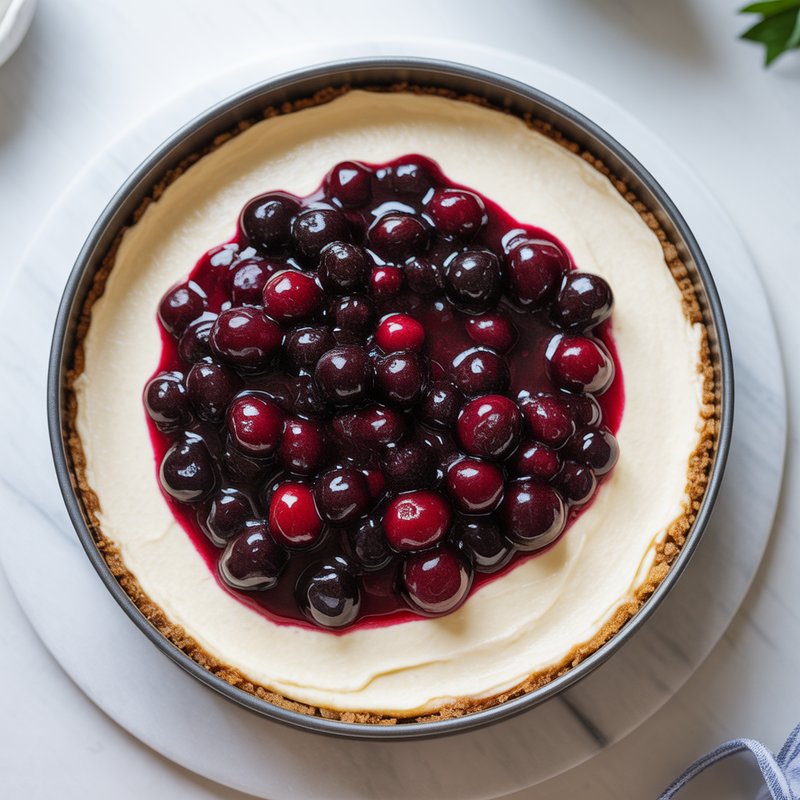
The fix is to control water content like a baker. If your puree glops off the spoon in a solid mound, you’re fine. If it slides, set it in a paper towel-lined sieve for a few minutes while you measure the other ingredients. Those extra few tablespoons of water make a difference on a skillet, especially if you’re aiming for a crisp edge and clean flip.
The batter that behaves
Here’s the version I rely on when I want reliable results and a clear protein bump. It balances flavors without overcomplicating your morning. It’s also friendly to substitutions, and I’ll note where you can swap without getting burned.
Ingredients for about 8 medium pancakes, 3 to 4 servings:
- 1 cup cottage cheese, 2 percent or whole 3 large eggs 3/4 cup pumpkin puree (not pumpkin pie filling) 1 cup old-fashioned rolled oats 1 to 2 tablespoons maple syrup or brown sugar, to taste 1 teaspoon vanilla extract 1 to 1 1/4 teaspoons ground cinnamon 1/4 teaspoon ground ginger Pinch of nutmeg and clove, optional but nice 1 teaspoon baking powder 1/4 teaspoon baking soda 1/4 teaspoon fine salt 1 to 2 tablespoons milk of choice only if the batter needs loosening Butter or neutral oil for the pan
Method:
- Add cottage cheese, eggs, pumpkin, oats, sweetener, and vanilla to a blender. Blend until mostly smooth. A little texture from the oats is fine. Sprinkle in the spices, baking powder, baking soda, and salt. Pulse just to combine. Let the batter rest 5 to 10 minutes while you heat the skillet. The oats will hydrate and the leavening will start to work. Heat a well-seasoned skillet or griddle over medium heat until a drop of water skitters across the surface. Lightly coat with butter or oil. Pour 1/4 cup scoops of batter onto the skillet. Cook until the edges look set and you see small bubbles, about 2 to 3 minutes. Flip gently and cook another 1 to 2 minutes, lowering the heat if they brown too fast. Serve warm. They’re excellent with a smear of Greek yogurt, a drizzle of maple, and toasted pepitas for crunch.
That’s the whole play. The rest is nuance.
Texture is about heat management, not more flour
If your pancakes are spreading thin, most people reach for extra oats or toss in a scoop of protein powder. That hides the underlying issue, and you end up with dense disks. The better move is to tweak heat and patience.
Pumpkin pancakes cook slower than standard buttermilk ones. The interior carries more moisture, and the proteins need a little time to set. Keep the pan at a steady medium, not medium-high. If you’re used to cooking flapjacks fast, this will feel slow. It pays off. You’ll see the edges slightly dull and a few bubbles pop in the center. If you flip before that, you smear batter and lose browning.
If you still want more structure, use 2 to 3 tablespoons of quick oats in place of some rolled oats, or stir in a tablespoon of oat flour. Both absorb water faster than whole rolled oats, which tightens the batter without chalkiness.
Protein math that actually influences your morning
Protein numbers matter if you’re planning the rest of your day. With the base recipe, using 1 cup of 2 percent cottage cheese and three eggs, each medium pancake lands in the 7 to 10 gram range of protein, depending on the size and brand of dairy. A three-pancake serving will give most adults 21 to 30 grams. That’s a solid breakfast anchor. If you’re aiming higher, say 35 grams, add a side of eggs or a scoop of Greek yogurt on top. If you add protein powder directly to the batter, start with 1/4 cup and be ready to add a splash of milk. Whey tightens the batter quickly and can tip you into dry territory.
The other lever is topping choice. Nut butter gives you extra protein and fat, but it can overwhelm the spice profile. I usually go with a spoonful of skyr or Greek yogurt and a dusting of cinnamon. It lifts the protein without the heavy sweetness that sneaks up with syrups.
The spice blend carries more load than you think
Cinnamon is the familiar note, but a hint of ginger is what wakes it up. Nutmeg and clove are powerful. If you taste clove first and pancake second, you’ve gone too far. The amounts above keep it balanced. If you want to play, a quarter teaspoon of allspice gives a rounder warmth without the sharp edge clove brings.
Salt is often undershot in “healthy” breakfast recipes. Keep the 1/4 teaspoon. It doesn’t make the pancakes salty, it makes the pumpkin taste like pumpkin and lifts the vanilla so you can actually use less sugar. If you forget the salt, you’ll chase flavor with more syrup and end up back where you started.
Make-ahead strategy that avoids rubbery leftovers
Meal prep can turn pancakes into coasters if you store them wrong. Pumpkin and oats both keep moisture, which is great fresh off the griddle, and tricky on day two. Cool the pancakes fully on a wire rack, not a plate. Stacking hot pancakes in a container traps steam and makes the edges soggy. Once cool, store in a single layer with parchment between if you’re stacking. They hold 3 to 4 days in the fridge, or 2 months in the freezer.
Reheat in a toaster oven or skillet, not a microwave, at least for the final minute. A skillet with a smidge of butter revives the edges in 90 seconds. If you need the microwave, give them 20 to 30 seconds just to warm through, then finish in a dry skillet for texture. This two-step saves you from the rubbery middle that ruins a good batch.
Common misfires and what to do differently
A few things I see when people try high-protein pancakes at home:
- Gummy centers: Your pan is too hot. The bottom browns before the inside sets. Lower the heat and lengthen the cook time by a minute. Check your pumpkin thickness too. Bitter aftertaste: Overfilled teaspoon of baking soda or powder. Level them off, and keep the soda to 1/4 teaspoon. Pumpkin isn’t acidic enough to neutralize excess soda. Bland: You under-salted or cut the vanilla. Or you used a tired jar of cinnamon. Spices lose energy after 1 year on a warm shelf. Smell them before you add. Falling apart on flip: Batter was too loose or you flipped early. Let the edges dull and use a thin, wide spatula. A splash less milk next time or a few minutes of extra rest helps oats hydrate and firm the batter.
This is all fixable in one or two tries. Once you tune your stove and pan, you’ll hit the groove.
Swaps and variations that hold up, nutritionally and structurally
If you cook for different needs, you can adjust this recipe without breaking it.
Gluten-free: Rolled oats are naturally gluten-free, but if cross-contact is a concern, buy certified gluten-free oats. Everything else in the base is fine.
Dairy-free: Cottage cheese is the heart of the protein here, so going dairy-free reshapes the recipe. You can blend 3/4 cup silken tofu with a tablespoon of lemon juice and a pinch of salt to mimic the creaminess and protein. It won’t taste like cheese, which is good here, and it’ll keep the tender crumb. Use neutral oil in the pan, and be patient, tofu-based batters set a touch slower.
No blender: Use oat flour instead of rolled oats, whisk vigorously, and push the cottage cheese through a fine mesh strainer. Not as silky, but passable. You’ll want to rest the batter a full 10 minutes for the flour to hydrate.
Extra protein: Stir in 2 tablespoons of hemp hearts, or replace 1/4 cup of oats with 1/4 cup of fine almond flour. You’ll pick up a few grams without chalkiness, and both support browning.
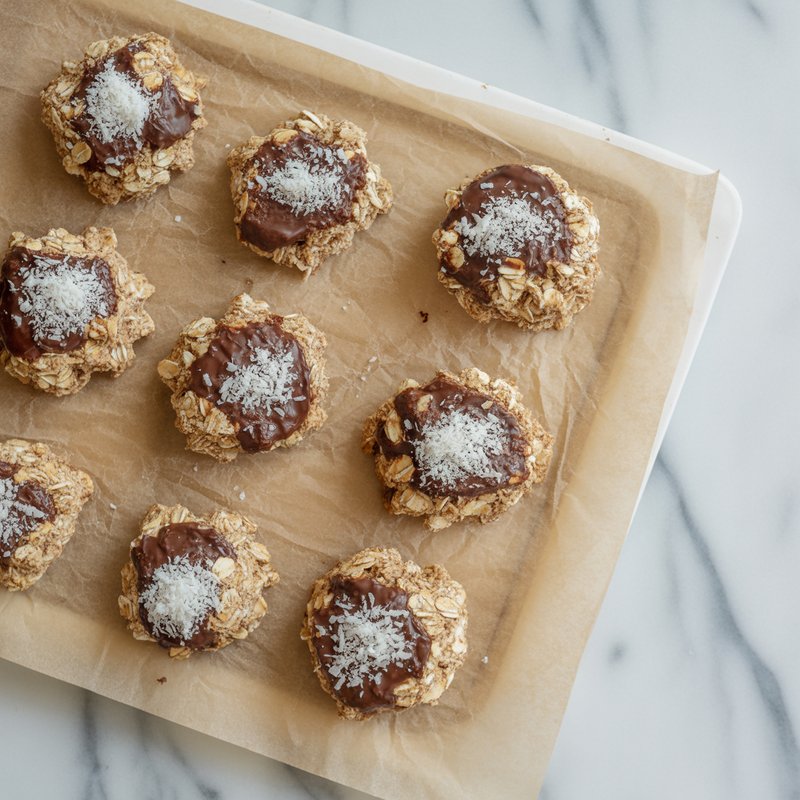
Flavor twists: Fold in orange zest for a brighter profile. Add chopped toasted pecans for texture, or swap maple for molasses for a darker, more gingerbread direction. If you go the molasses route, dial ginger up slightly and drop clove, or it gets pushy.
The skillet and the flip
Technique makes more difference than a secret ingredient here. Nonstick is forgiving, but an aluminum griddle or cast iron pan can give you a better crust if you manage heat and fat. On cast iron, keep the pan at a stable medium for at least five minutes before you pour batter. A tiny bit of butter lifts flavor, but too much keeps the surface greasy and leads to spotty browning. You want a thin film, not a puddle.
Use a 1/4 cup measure so your pancakes cook at the same rate. Overcrowding the pan drops the temperature. If your first batch cooks slowly, resist cranking the heat. Give the pan a minute to recover between batches and wipe out excess fat with a folded paper towel.
When you flip, go in with conviction. Slide a thin spatula fully underneath, lift slightly, then turn your wrist. If you lift too high and hesitate, the batter slides off the top, and you’ll get a lopsided stack that cooks unevenly. Minor, but these are the little things that separate a serviceable breakfast from a solid one.
A quick scenario from real life
A client of mine, a teacher who leaves the house at 6:30 a.m., used to eat instant oatmeal and a banana. By 9, she raided the staff room for whatever was on the table. We swapped in a Sunday batch of these pancakes, individually wrapped and frozen. She warmed three in the toaster oven while her coffee brewed, added a spoon of skyr and a drizzle of maple. The first week, she was surprised she didn’t want the 10 a.m. muffin. The second week, she realized she wasn’t thinking about food until lunch. Same calories, different composition, very different morning. That’s the practical value here.
Kids, picky eaters, and the sour face test
If you’re feeding kids, the orange color reads as fun, not suspicious. The texture is soft enough for toddlers, but sturdy enough for little hands. Go easy on the ginger at first, and keep the clove to a whisper. I’ve also found that tiny chocolate chips, maybe two teaspoons in the full batch, make the whole plate easier without undoing the nutrition. If your child is texture-sensitive and spots any oat flecks, blend the batter longer and use a finer-grind oat flour. Serve them with yogurt and honey, and it passes the sour face test in most households I’ve worked with.
The case for small, consistent batches
You can double the recipe if you have a crowd, but be aware that the leavening starts working as soon as it hits the wet ingredients. A big bowl of batter that sits for 30 minutes can lose some lift. If you want perfect results for a group brunch, mix the wet ingredients and the dry ingredients separately and combine in two batches right before cooking. Not mandatory, just the difference between good and great.
If you’re cooking just for yourself, make the full recipe and refrigerate half the batter in a sealed jar. Cook it within 24 hours. The second-day batter will be slightly thicker as the oats absorb more moisture, so stir in a tablespoon of milk before you hit the skillet.
Toppings that enhance, not smother
This is where people swing too sweet and end up with a sugar crash. Start with a modest drizzle of real maple syrup. Add a dollop of tangy dairy like Greek yogurt or a smear of cottage cheese if you like the echo. For crunch, toasted pepitas or pecans. Fresh pear slices or sautéed apples are in season the same time as pumpkin, and they complement the spice profile without turning breakfast into dessert. If you’re training later in the morning, a sliced banana on the side adds quick carbs that your muscles will put to work.
What I avoid here is heavy whipped cream or syrup pools. The batter already carries flavor. If your first bite needs perfume from the syrup bottle, your spices or salt are off.
Troubleshooting by feel
Recipes are snapshots. Your pan, your eggs, your pumpkin, and your patience all vary. Here’s how to adjust on the fly:
- Batter too thick to pour? Add milk a tablespoon at a time until it falls off the spoon in a slow ribbon. If you add too much, let it sit for two minutes before deciding to add more. Batter too thin, spreading to a crepe? Fold in a tablespoon of oat flour or quick oats, then rest 5 minutes. If you’re mid-batch, cook smaller circles, they’ll set faster. Not browning? Your pan is too cool, or you’re using only oil with low milkfat cottage cheese. A dab of butter improves color via milk solids. If you can’t use butter, try a bit of ghee, which won’t smoke as fast.
Storage math and breakfast economics
There’s a cost argument here too. A batch uses pantry staples and clocks in at a few dollars for 3 to 4 servings. Compare that to a protein bar and a coffee, which will run you more and satisfy you less. If you cook once and reheat https://cottagecheeserecipes.co/category-high-protein smart, the time cost is 20 minutes on Sunday and 5 minutes per morning. That’s sustainable, even if you have kids finishing math homework at the counter while you pack lunches.
The small professional notes that save a morning
- Crack your eggs into a separate cup before adding to the blender. If a shell fragment sneaks in, it’s easier to fish out. Lightly oil the measuring cup before scooping pumpkin, it slides out cleanly and your measurements are accurate. Keep a dedicated pancake spatula, thin and wide. Your fish spatula works in a pinch, but the right tool makes the flip clean. If your blender is old, blend the wet ingredients first, then add oats, then leaveners last to avoid overmixing the baking powder and soda. Pulse with a light hand.
A final plate worth repeating
You want breakfast that tastes like fall but behaves like a training partner. These pancakes land there. They’re sturdy, aromatic, and unapologetically practical. They keep you full, play well with make-ahead routines, and respond well to small tweaks once you learn how your pan runs.
Cook them once as written. Adjust salt and spice to your taste the second time. By the third batch, you’ll have a house version, and that’s the goal with recipes like this. Not just a seasonal novelty, but a fall standard that makes weekday mornings calmer and weekends smell like something you looked forward to all week.